Beautiful and Sincere
Eternal Remembrances: Meaningful Dedications with Lifecycle Events
Dedication IN THE Chicago, IL AREA
Send Us A Message
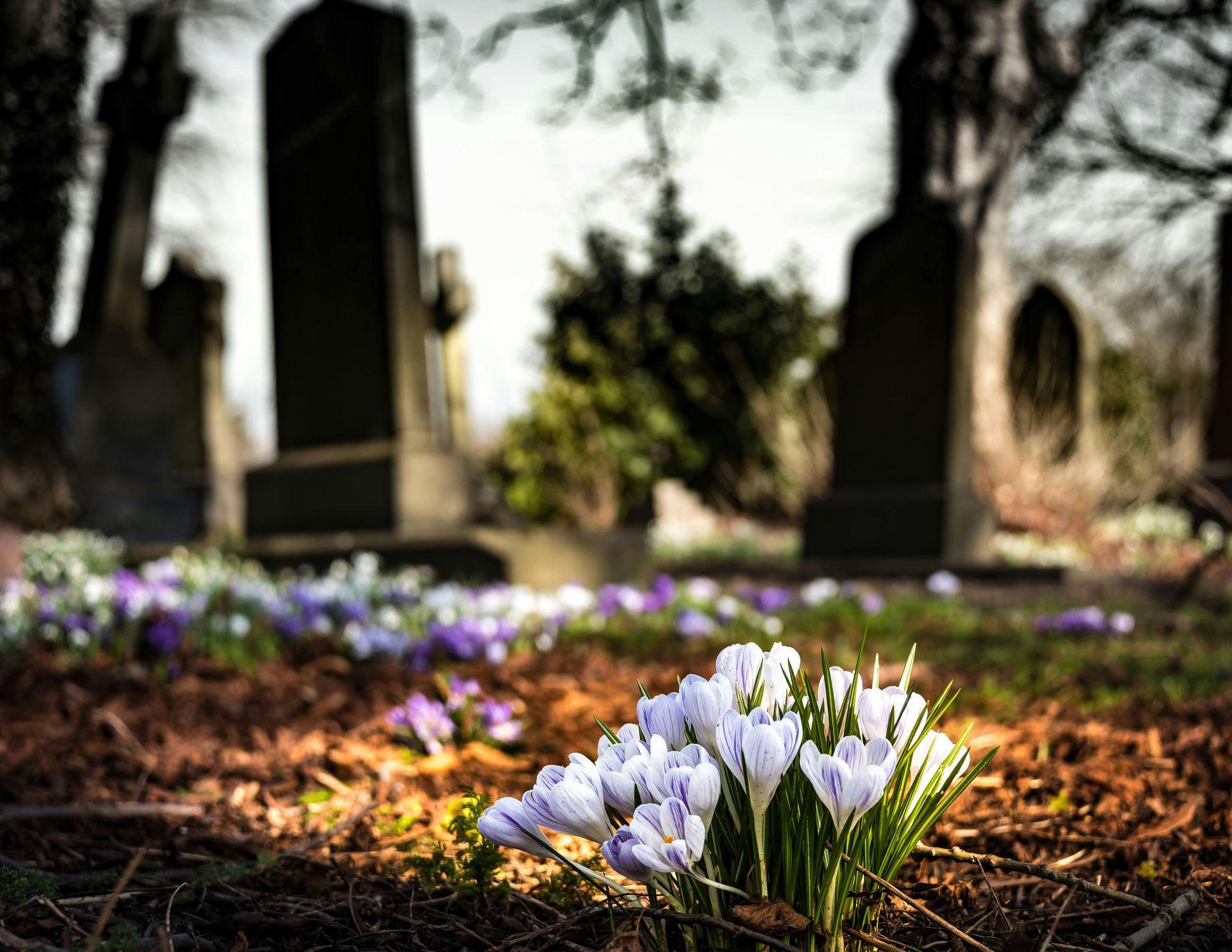
Honoring Loved Ones: Dedications with Lifecycle Events
Embrace the opportunity to honor and remember your loved ones with heartfelt dedications through Lifecycle Events. I understand the importance of commemorating life's milestones, and I am here to help you create meaningful tributes that celebrate the lives and legacies of those who hold a special place in your heart. From personalized ceremonies to thoughtful gestures, I offer a range of options to suit your needs and preferences. Whether you're marking the unveiling of a memorial plaque, commemorating a significant anniversary, or paying tribute to a cherished family member, I will work closely with you to ensure that every detail is handled with care and respect. At Lifecycle Events, I believe that dedications are a powerful way to honor and remember your loved ones, providing comfort and solace during times of loss. Let me guide you through the process, offering support and guidance every step of the way as you create a lasting tribute that reflects the love and memories you hold dear
COME AND SEE HOW
Remembering Loved Ones: Dedications with Heart
Pay tribute to your loved ones with heartfelt dedications through Lifecycle Events. I am here to guide you in creating meaningful tributes that honor their memory. From personalized ceremonies to thoughtful gestures, I offer support and guidance every step of the way. Let me help you create lasting memories that celebrate the lives and legacies of those who hold a special place in your heart.
Celebrating Life's Milestones
With Ceremonies Tailored to Your Unique Needs
At Lifecycle Events, I am committed to crafting memorable and meaningful ceremonies for a variety of life's milestones. Specializing in Jewish weddings, interfaith weddings, LGBTQ+ weddings, renewal of vows, and Jewish funerals. I serve Cook and Lake County, Illinois, including the city of Chicago and all surrounding suburban communities within a 30-mile radius. I understand the importance of honoring traditions while celebrating love and life in all its diversity. With my personalized approach and attention to detail, I strive to create ceremonies that reflect the unique values and beliefs of each individual and couple. Trust me to guide you through these significant moments with care, compassion, and respect. Contact me today to discuss how I can help you commemorate your event with authenticity and reverence.
a closer Look
Events I Offer Our Potential Clients

I Believe Love is Love
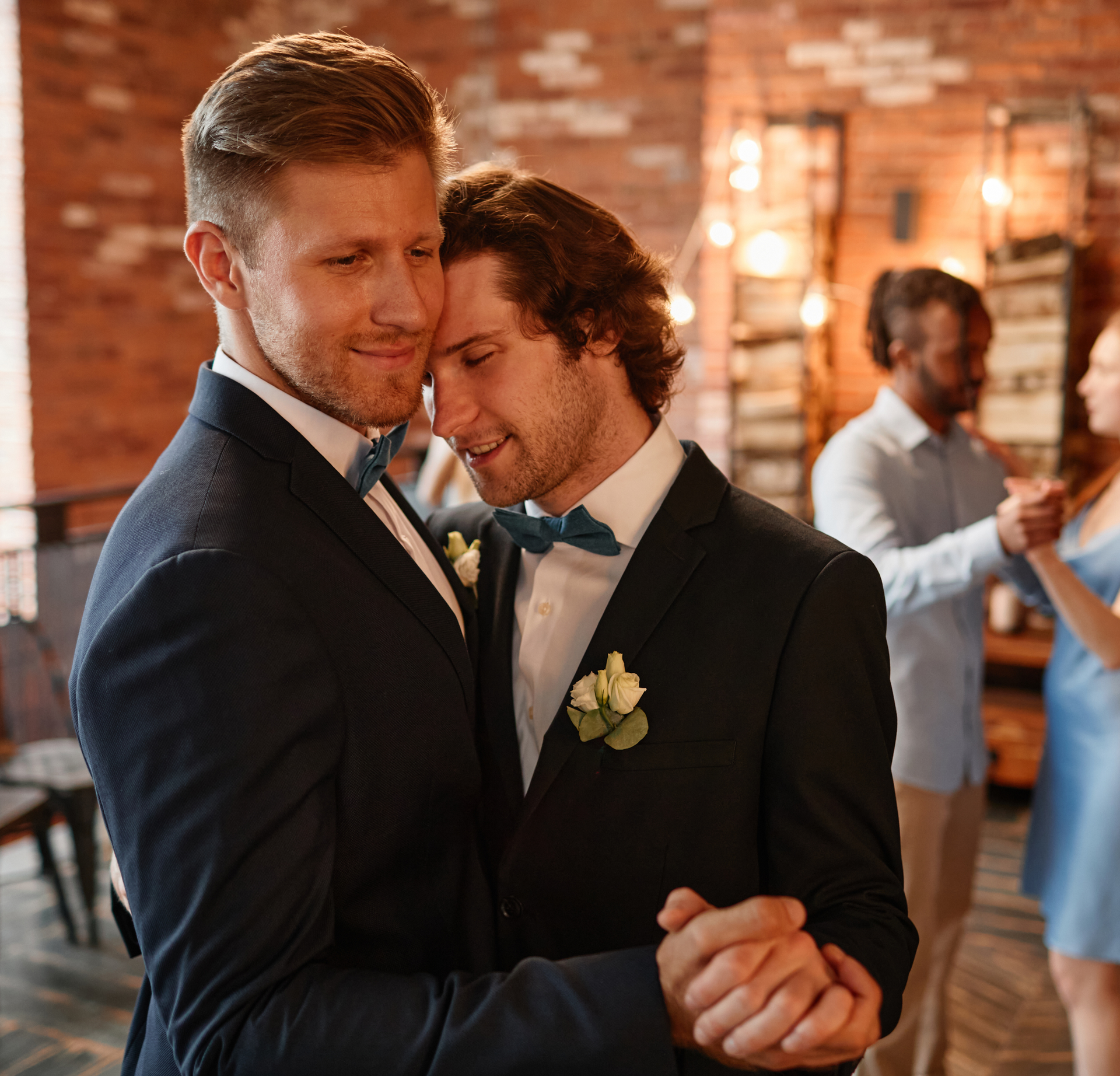
LGBTQ+ Weddings Events
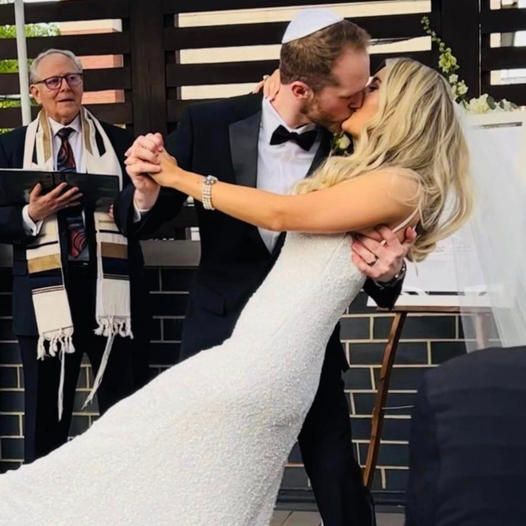
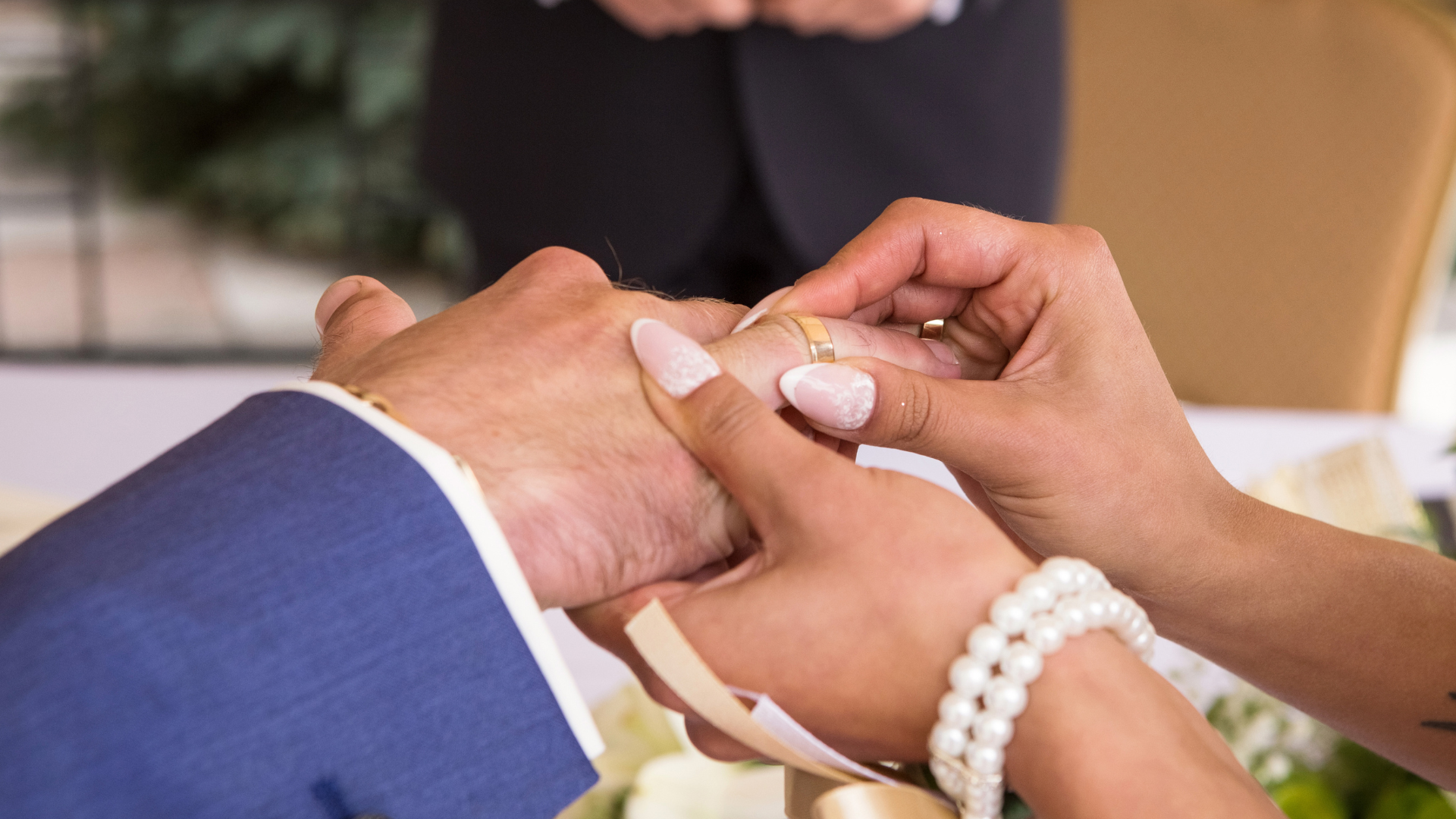
At Lifecycle Events, I take pride in representing and celebrating love in all its forms, including LGBTQ+ weddings. The goal of the weddings I plan is to give couples a warm, inviting, and community-focused setting in which they can celebrate their commitment to one another. I understand the unique needs and desires of all couples and work closely with them to create personalized ceremonies that honor their love and identities. From choosing inclusive language and incorporating meaningful rituals to selecting LGBTQ+-friendly vendors and venues, I ensure that every aspect of the wedding reflects the couple's vision and values. With my compassion and experience, you can trust me to create a wedding day that is as unique and beautiful as your love story.
Show Your Love by
Renew Your Vows With Me Today
Show your enduring love and commitment by renewing your vows with me today at Lifecycle Events. Whether you're celebrating a milestone anniversary or simply reaffirming your love, my vow renewal ceremonies provide a meaningful and heartfelt way to honor your journey together. As an experienced rabbi/officiant, I will work closely with you to create a personalized ceremony that reflects your unique bond and shared experiences. From selecting the perfect vows and readings to incorporating special touches that symbolize your continued devotion, I will ensure that your vow renewal is a cherished and unforgettable moment. Reaffirm your love and create new memories with a vow renewal ceremony that celebrates the depth of your relationship.
Celebrate a Life
Embrace Your Culture with Jewish Funerals
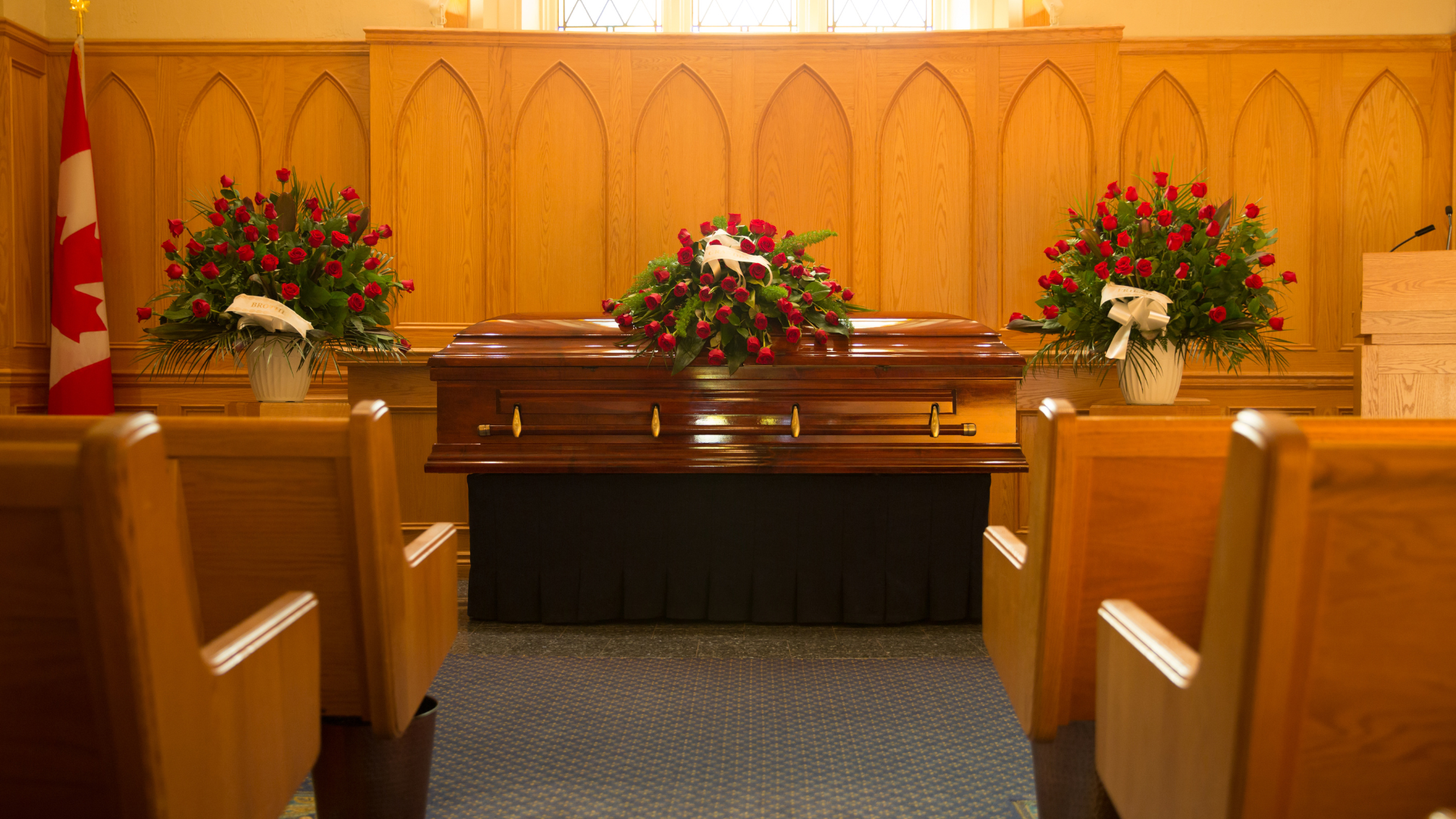
At Lifecycle Events, I understand the significance of honoring and celebrating a life, especially during times of loss. That's why I offer compassionate and respectful services to help take care of your Jewish funeral needs. I am committed to supporting you and your family with dignity and sensitivity throughout the funeral process. From providing guidance on traditional Jewish funeral customs to assisting with funeral arrangements and coordination, I am here to ensure that your loved ones' final farewell is a meaningful and fitting tribute. Let me help you navigate this difficult time with care and compassion, so you can focus on honoring your loved one's memory in a way that reflects their life and legacy.
LIFECYCLE EVENTS FOR ALL YOUR NEEDS
By Rabbi Steve Hara
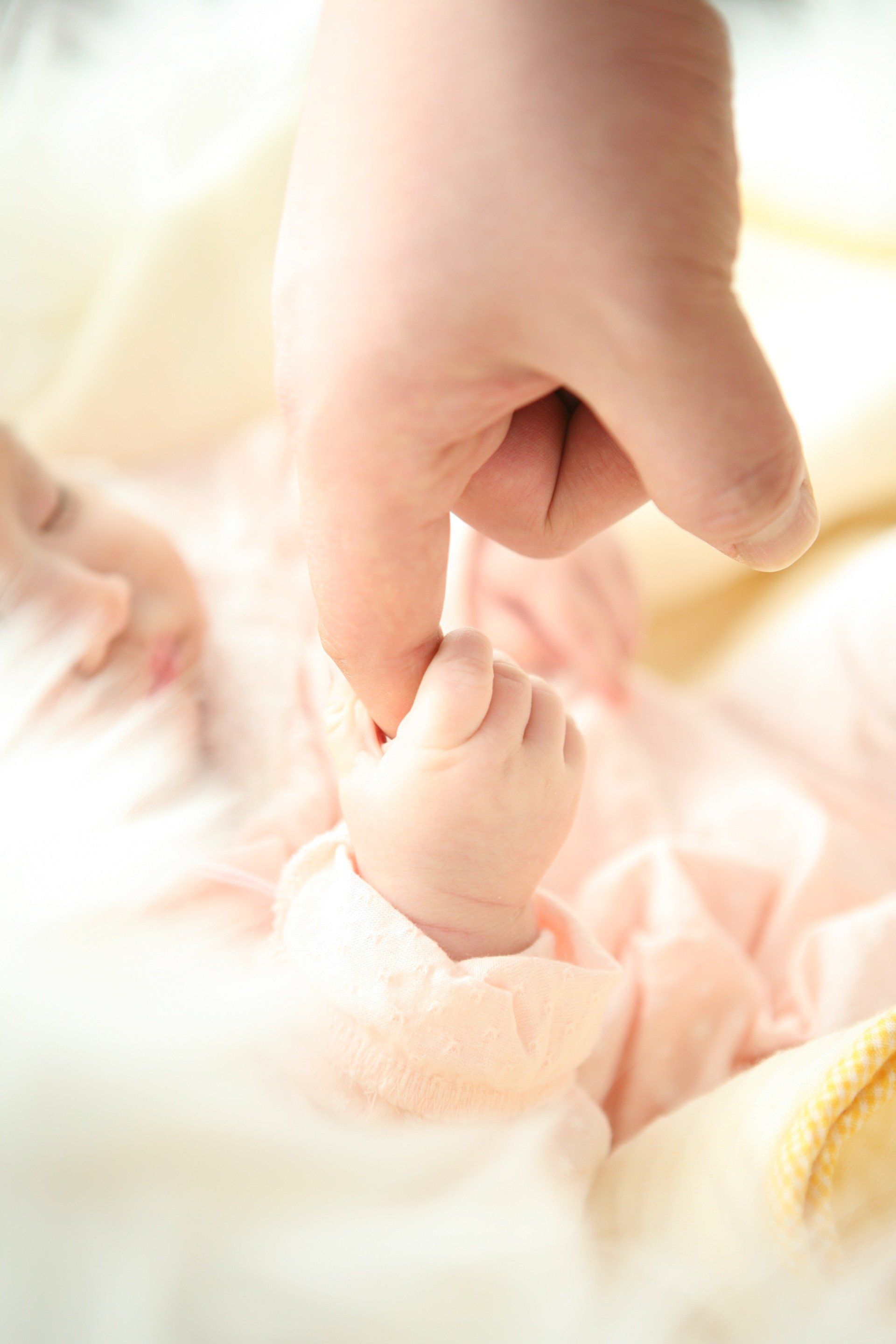
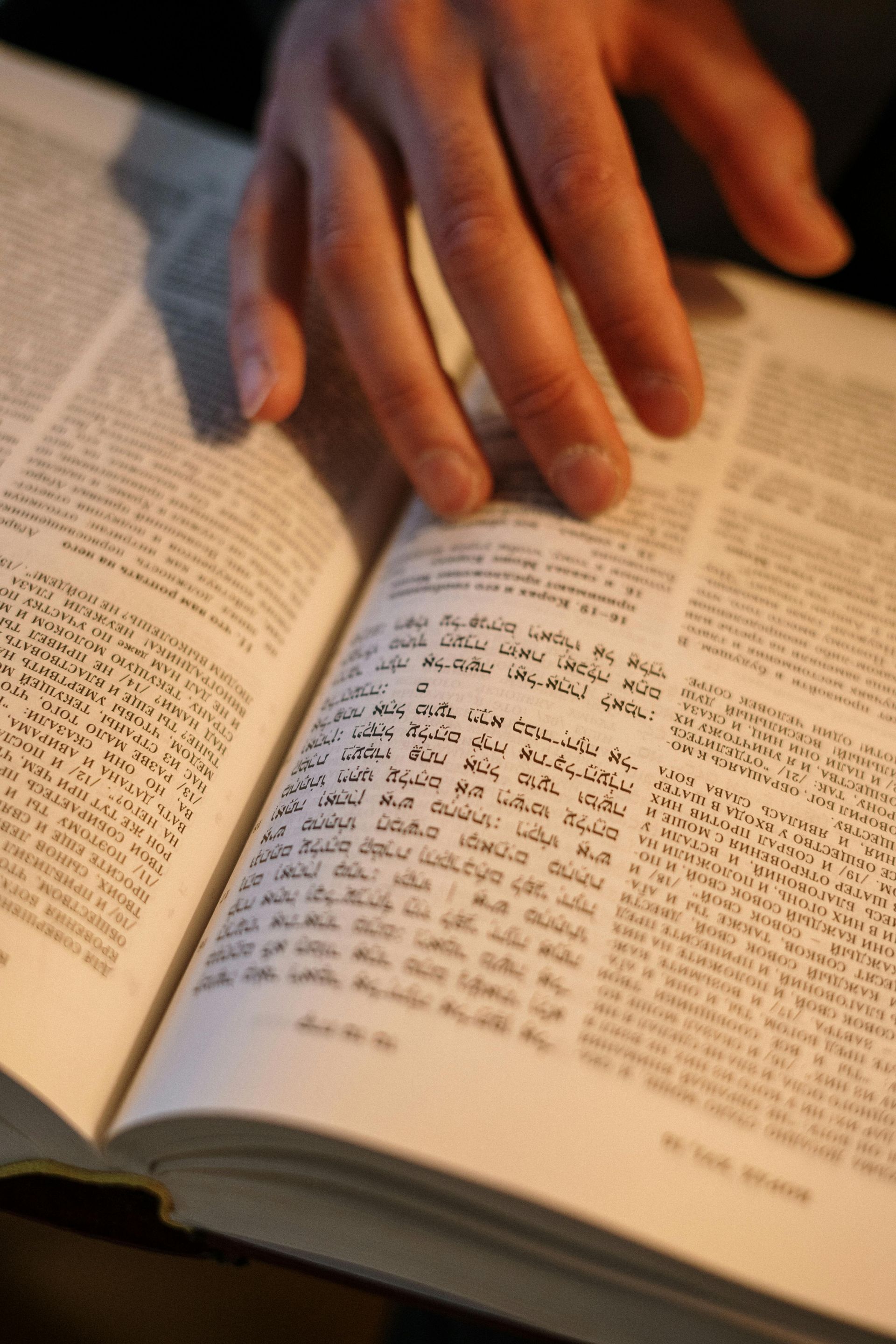
At Lifecycle Events, I extend my services beyond traditional ceremonies. I personalize your wedding ceremony, renewal of vows, and baby naming. For conversions, I work closely with you to learn Jewish customs, traditions, and holidays. As a certified chaplain, my experience includes healing prayers for the sick and provide compassionate pastoral care to all those in need. I understand the importance of emotional support during challenging times and am here to offer guidance, comfort, and spiritual assistance to individuals and families facing difficult circumstances. Whether you're navigating grief, seeking guidance, or simply in need of someone to talk to, my pastoral care services are available to provide solace and support. Let me walk alongside you during life's most trying moments, offering a compassionate presence and helping hand when you need it most.
IN Chicago, IL
We are The Top Choice Around
Embrace the opportunity to honor and remember your loved ones with heartfelt dedications through Lifecycle Events. I understand the importance of commemorating life's milestones, and I am here to help you create meaningful dedications that celebrate the lives and legacies of those who hold a special place in your heart. With my expertise in crafting personalized dedications, I offer a range of options to suit your needs and preferences. Whether you're marking the unveiling of a memorial plaque, commemorating a significant anniversary, or paying tribute to a cherished family member, I will work closely with you to ensure that every detail is handled with care and respect. At Lifecycle Events, I believe that dedications are a powerful way to honor and remember your loved ones, providing comfort and solace during times of loss. I am committed to guiding you through the process, offering support and guidance every step of the way as you create a lasting tribute that reflects the love and memories you hold dear. Let me be your partner in commemorating life's most important moments with heartfelt dedication that honor the legacy of your loved ones. Contact me today to begin planning a heartfelt dedication that will stand as a testament to their enduring impact on your life.
Still have Questions?
Frequently Asked Questions
get in touch
Contact Me Today
Have a question? I am here to help. Send me a message, and I'll be in touch.