How to Plan a Jewish Wedding in Chicago, IL
Planning a wedding comes with a long list of decisions. When you’re also honoring Jewish wedding traditions, the process can feel even more personal. From choosing the right rabbi to organizing the ketubah signing and chuppah ceremony, every detail matters.
Couples searching for jewish weddings near chicago downtown often want a balance between tradition, family expectations, and modern wedding style. Chicago offers incredible venues, experienced vendors, and a strong Jewish community, but knowing where to begin can still feel overwhelming.
That’s where thoughtful planning helps. Whether you’re organizing a large celebration in downtown Chicago or a more intimate gathering in the surrounding suburbs, having a clear roadmap makes the process smoother and far less stressful.
What Makes a Jewish Wedding Different?
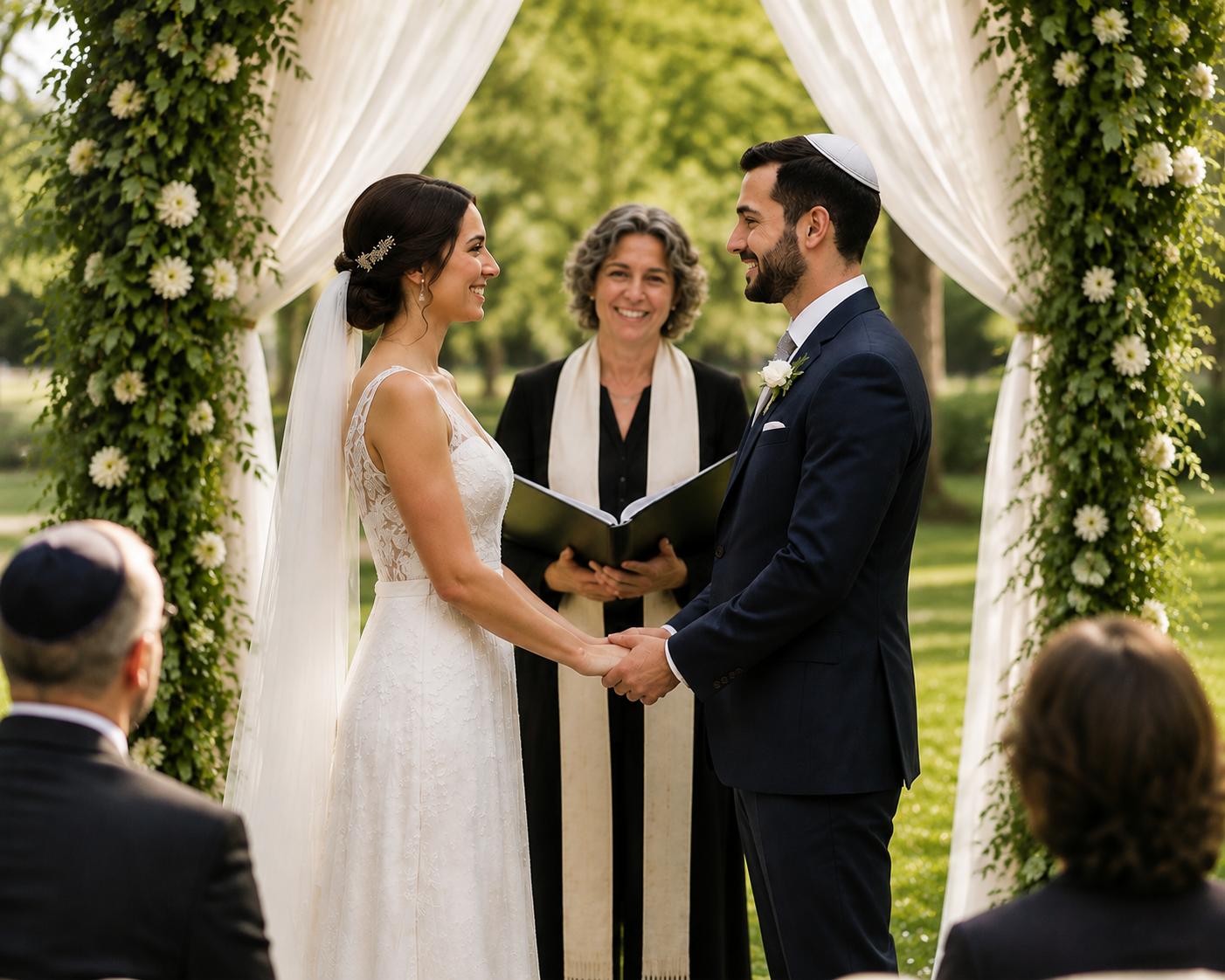
A Jewish wedding ceremony is deeply rooted in tradition while still allowing room for personalization. Some couples prefer a traditional Orthodox ceremony, while others choose a more modern or interfaith approach.
Common elements of Chicago Jewish weddings include:
- Signing the ketubah
- The chuppah ceremony
- Circling traditions
- Breaking the glass
- The hora dance
- Blessings over wine
Every family approaches these traditions differently. Before booking vendors or selecting a venue, it helps to discuss what matters most to both sides of the family.
Decide Which Traditions Matter Most
Some couples want a fully traditional ceremony. Others prefer to blend modern wedding elements with Jewish customs. There’s no single “correct” format.
Start by asking:
- Will your ceremony be held by a rabbi?
- Are you planning an interfaith ceremony?
- Do you want Hebrew prayers included?
- Will the reception follow kosher guidelines?
Answering these questions early helps narrow down venue options and ceremony planning decisions.
How to Choose the Right Chicago Wedding Venue
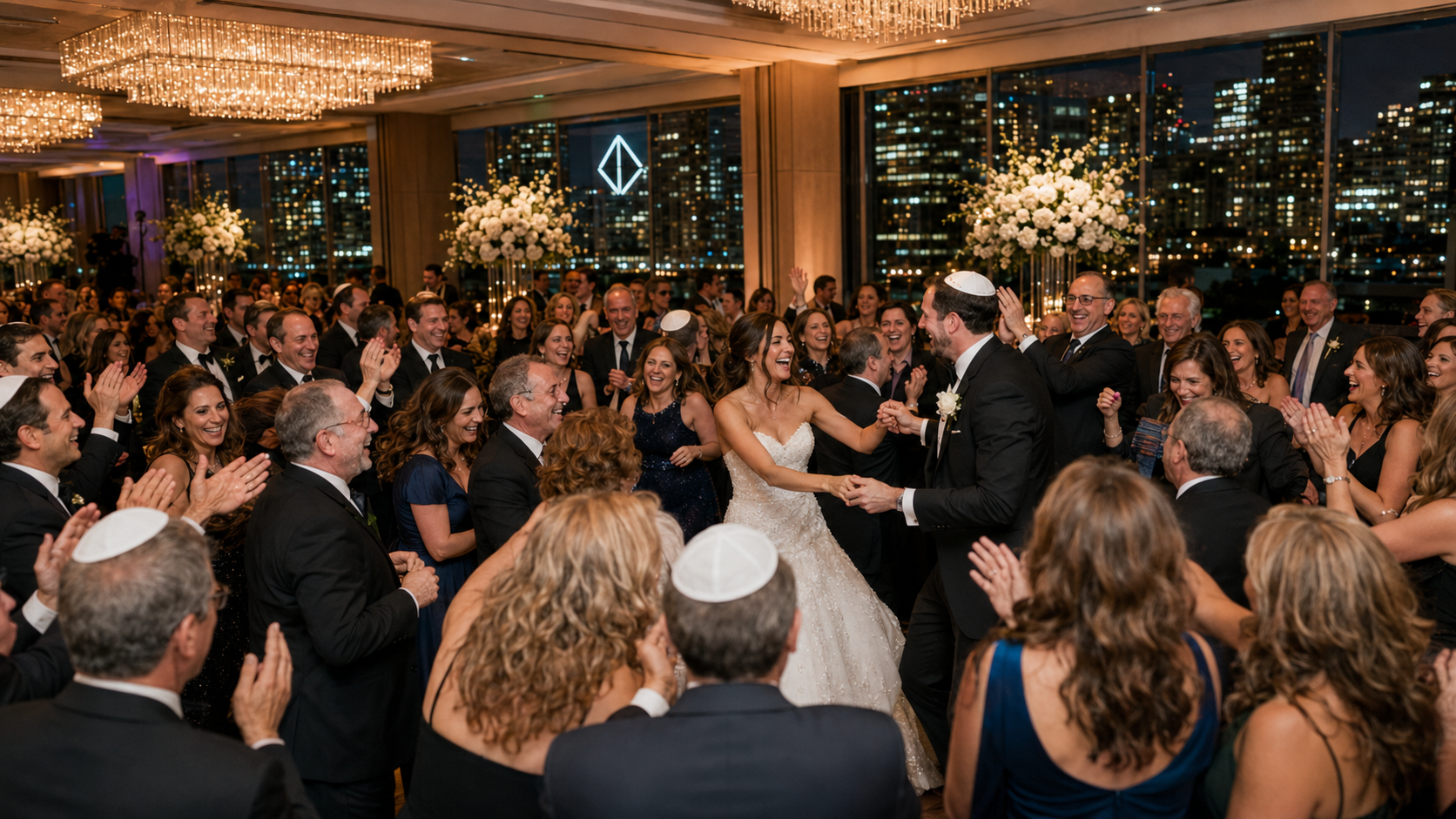
Chicago offers everything from luxury downtown ballrooms to lakefront venues and historic event spaces. The best venue depends on your guest count, religious requirements, and wedding style.
If you’re searching for jewish weddings near chicago downtown, location matters for guests traveling from nearby suburbs like Skokie, Evanston, Northbrook, and Highland Park.
Questions to Ask Before Booking a Venue
Before signing a contract, ask:
- Does the venue allow outside kosher catering?
- Is there enough room for the hora dance?
- Can the ceremony and reception happen in one space?
- Is there space for the ketubah signing?
- Does the venue accommodate a chuppah setup?
These details can make a major difference on the wedding day.
Consider Guest Convenience
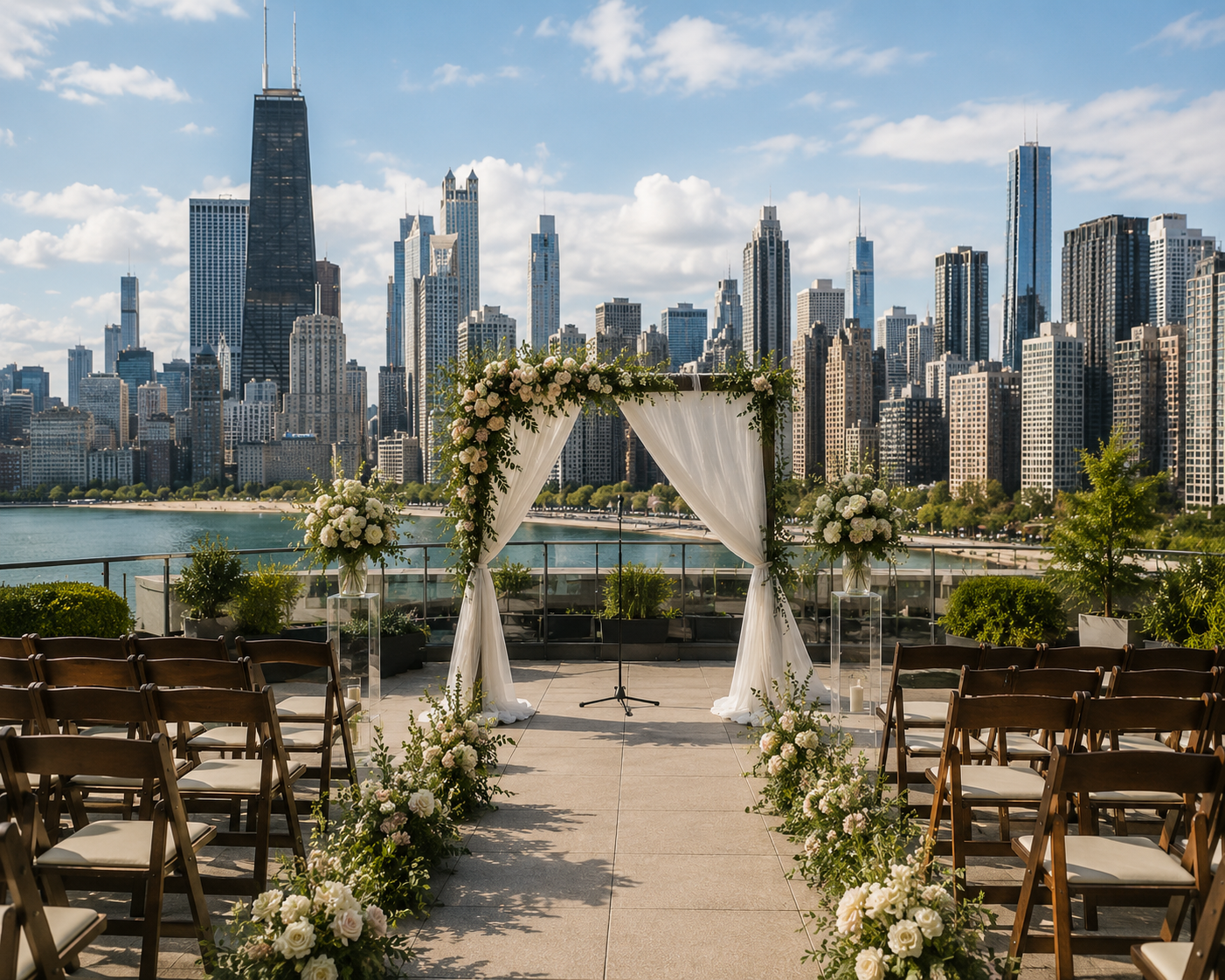
Traffic and parking are real concerns in Chicago. Downtown venues may offer beautiful skyline views, but transportation logistics matter too.
Many couples provide hotel room blocks or shuttle transportation for guests traveling from the suburbs or nearby airports.
Building the Right Vendor Team
Experienced wedding vendors can make planning much easier. This is especially true for Jewish weddings where timing, traditions, and ceremony flow require extra coordination.
Look for vendors familiar with:
- Jewish wedding ceremony timing
- Kosher or kosher-style catering
- Hora dance reception layouts
- Hebrew name pronunciation
- Traditional wedding music
Prioritize Your Wedding Planner Early
One of the biggest wedding planning tips couples receive is to book planning support early. Popular Chicago wedding venues and vendors often reserve dates more than a year in advance.
A planner experienced with Chicago Jewish weddings can help coordinate:
- Ceremony timelines
- Vendor communication
- Family logistics
- Religious customs
- Reception flow
This support becomes especially valuable during the final weeks before the wedding.
Planning the Jewish Wedding Ceremony
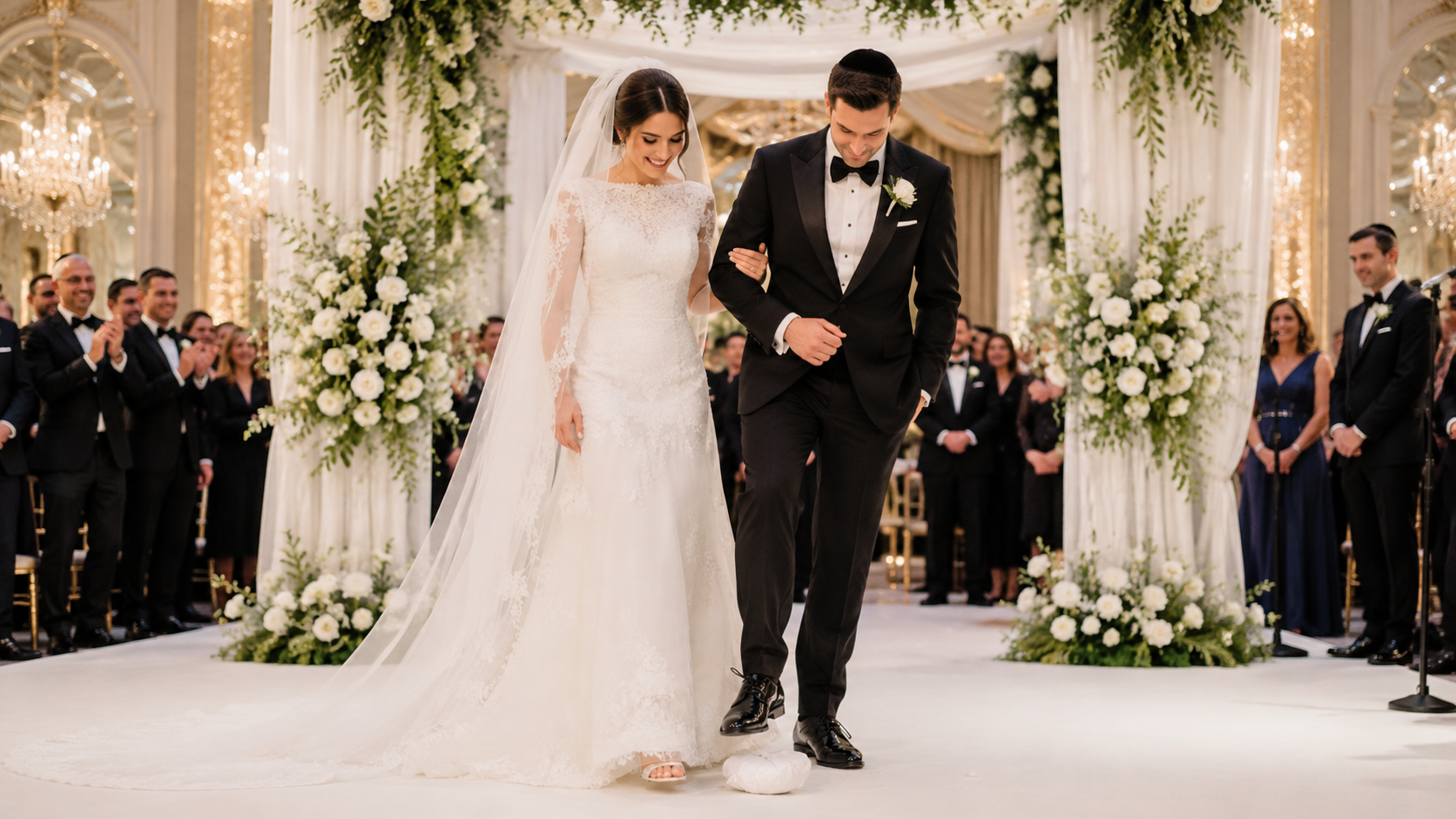
The ceremony is often the emotional center of the day. Even couples choosing a modern wedding style typically include several traditional elements.
Understanding the Chuppah
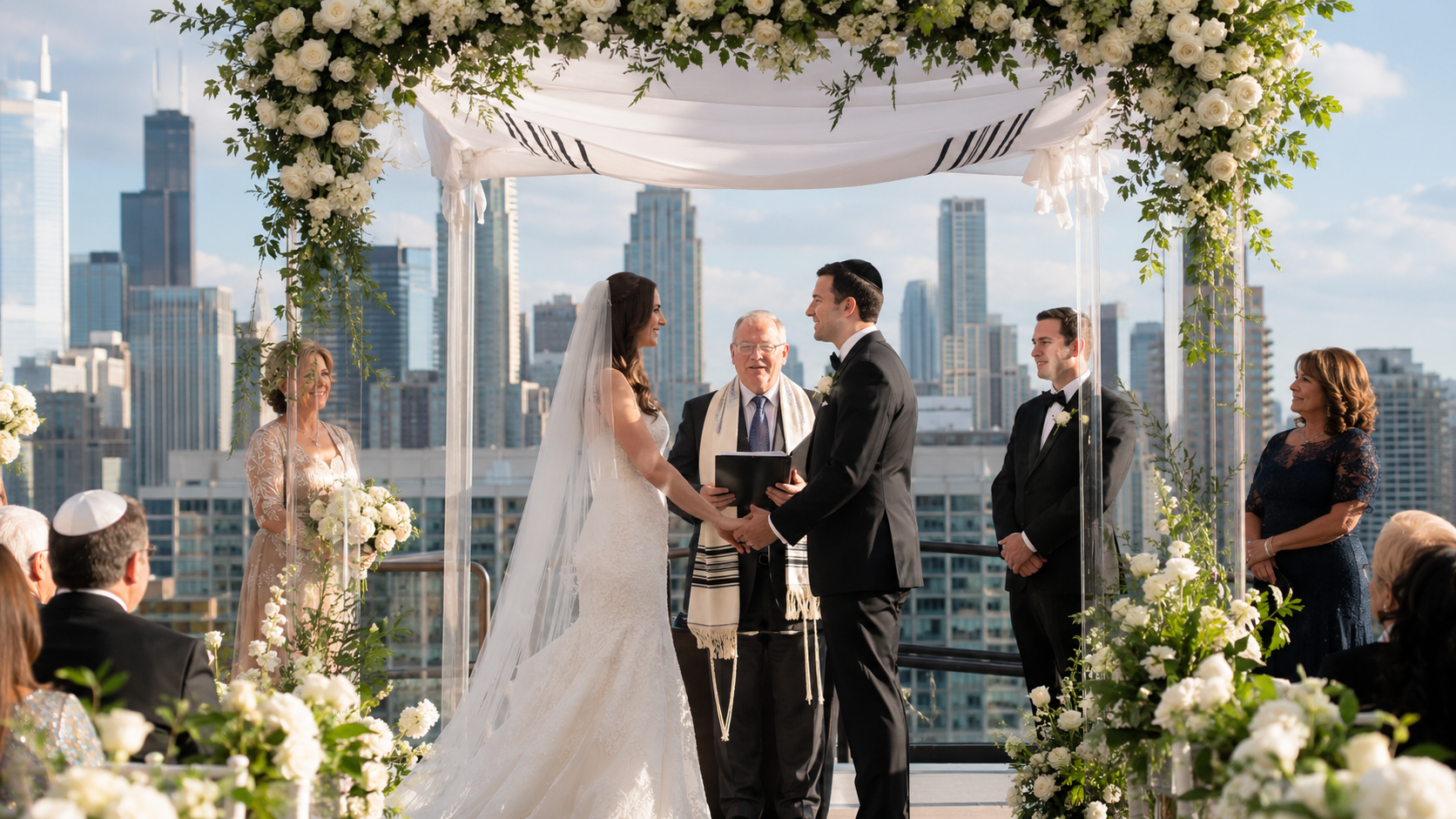
The chuppah symbolizes the couple’s future home together. Some couples use floral designs while others prefer a simple family heirloom canopy.
In Chicago, outdoor ceremonies near the lakefront are popular during spring and summer, while indoor ballroom ceremonies are common during colder months.
The Breaking of the Glass
This tradition is widely recognized, even outside Jewish communities. The breaking of the glass can symbolize many things, including remembrance, joy, and the fragility of relationships.
Guests often respond by shouting “Mazel Tov!”
Music and Celebration
Music is central to many Jewish weddings. Live bands and DJs familiar with the hora help keep energy high during the reception.
Chicago couples often blend traditional Jewish songs with modern music throughout the evening.
Wedding Planning Tips for Staying Organized
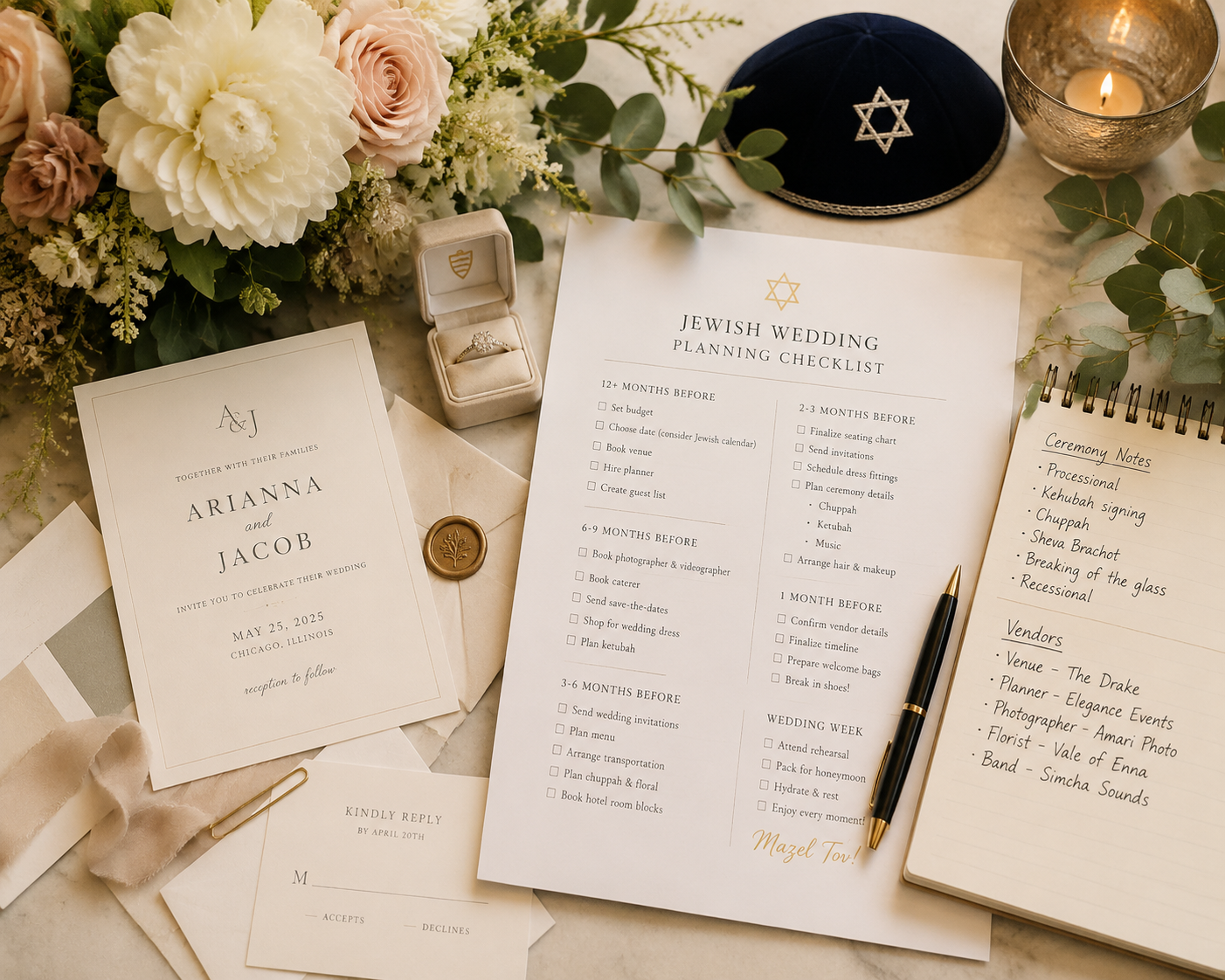
Wedding planning becomes more manageable when you break tasks into smaller steps.
Create a Realistic Timeline
Most couples begin planning 12 to 18 months before the wedding date. Start with:
- Setting a budget
- Booking the venue
- Choosing a wedding date
- Hiring key vendors
- Sending save-the-dates
Trying to do everything at once usually creates unnecessary stress.
Keep Family Communication Open
Jewish weddings often involve strong family participation. Open conversations early in the process can help avoid misunderstandings later.
Discuss:
- Guest list expectations
- Religious traditions
- Budget contributions
- Ceremony preferences
Good communication helps everyone feel included.
Local Relevance for Chicago Couples
Chicago has one of the largest Jewish communities in the Midwest, making it a great location for couples planning traditional or modern Jewish weddings. From elegant downtown venues to suburban celebrations in areas like Deerfield, Glenview, and Wilmette, couples have access to experienced rabbis, kosher caterers, musicians, and planners who understand Jewish wedding traditions. Whether you're planning near downtown Chicago or in the surrounding suburbs, local experience makes a difference.
Schedule a Consultation With Lifecycle Events
Planning a Jewish wedding takes organization, creativity, and attention to tradition. Lifecycle Events helps engaged couples throughout Chicago, IL create meaningful celebrations that reflect their values, families, and vision for the future. Call 847-910-2397 to learn more and schedule a wedding consultation.
Frequently Asked Questions
How far in advance should I plan a Jewish wedding in Chicago?
Most couples start planning 12 to 18 months before the wedding date. Popular Chicago venues and vendors can book quickly, especially during spring and fall wedding seasons.
Do Jewish weddings need to be held in a synagogue?
No. Many Jewish weddings take place in hotels, banquet halls, outdoor venues, and event spaces throughout Chicago. Couples often choose locations that fit both their style and guest count.
Can interfaith couples still include Jewish wedding traditions?
Yes. Many interfaith couples incorporate traditions like the chuppah, ketubah signing, and breaking the glass into their ceremony. Rabbis and planners can often help customize the ceremony respectfully.
What is usually included in a Jewish wedding ceremony?
Most ceremonies include blessings, the exchange of rings, the ketubah signing, standing under the chuppah, and breaking the glass. The exact structure depends on the couple’s preferences and religious background.
Are kosher caterers required for Jewish weddings?
Not always. Some couples choose fully kosher catering, while others prefer kosher-style menus. The decision usually depends on family traditions, religious observance, and guest expectations.
Conclusion
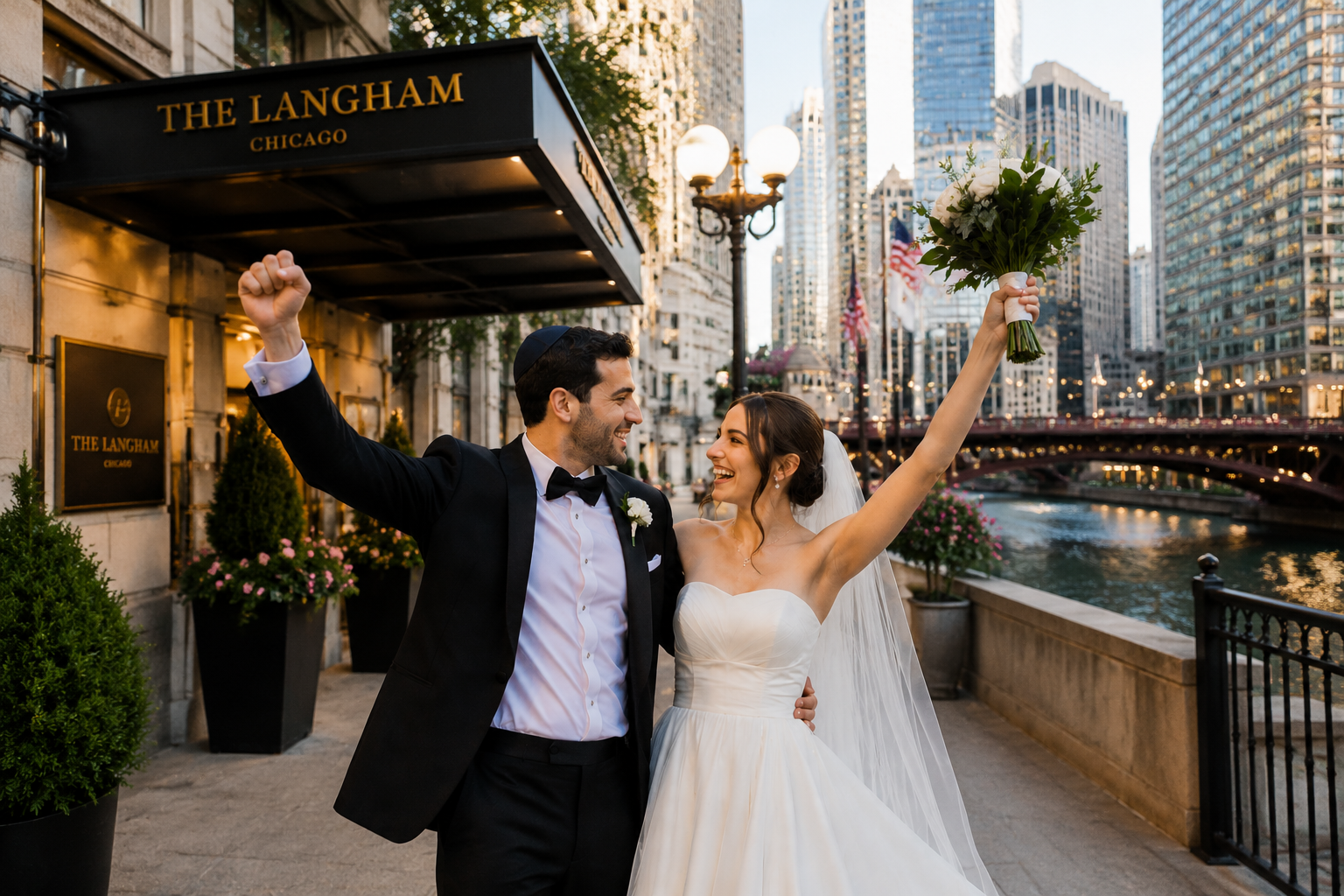
Planning a wedding should feel exciting, not overwhelming. With the right support, couples can create a celebration that honors Jewish traditions while reflecting their own style and priorities. Lifecycle Events proudly helps couples planning jewish weddings near chicago downtown and throughout the surrounding communities. To learn more or schedule a consultation, call 847-910-2397 today.