How to Blend Two Faith Traditions Into One Ceremony
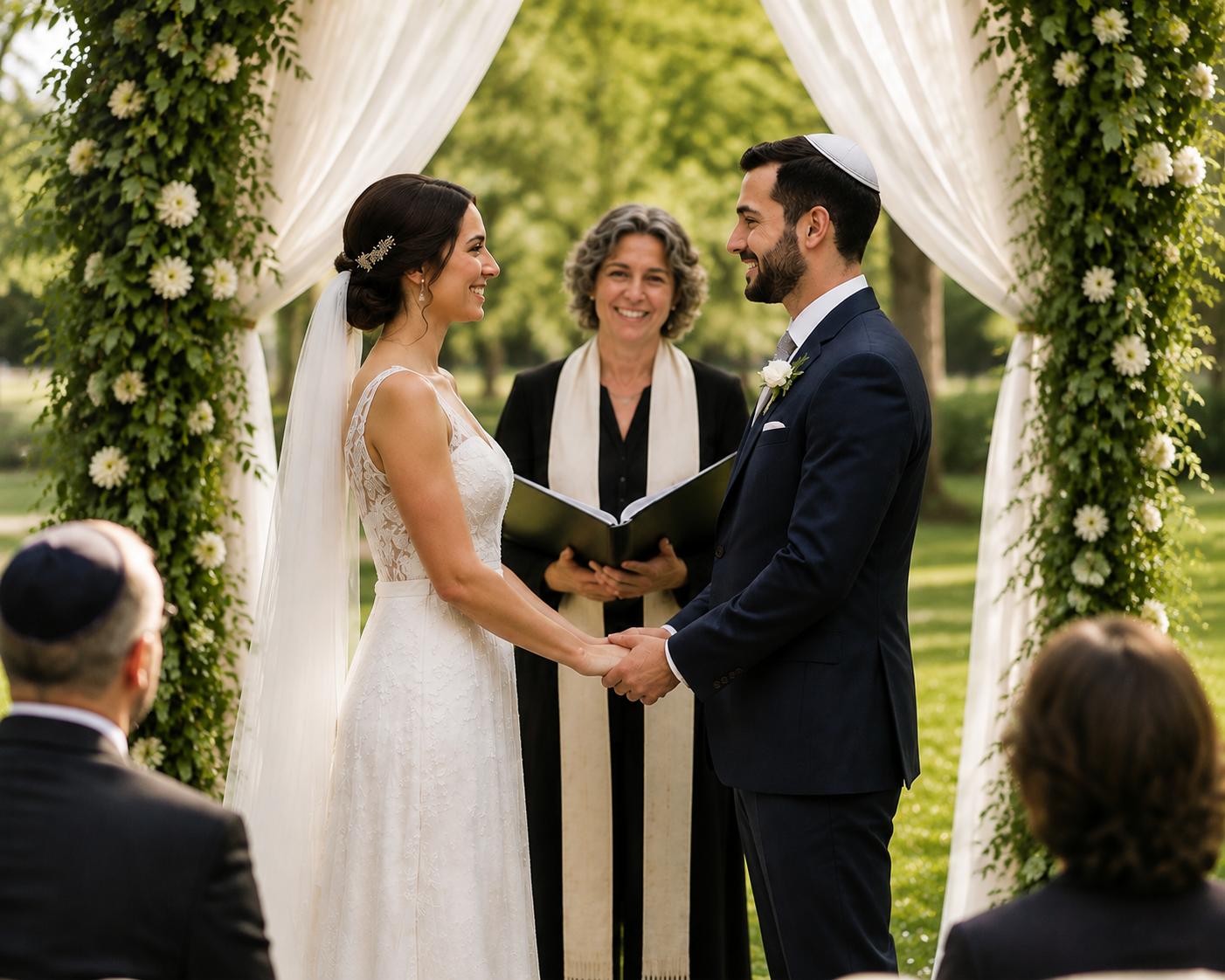
Planning a wedding is an exciting milestone, but when you and your partner come from different religious or cultural backgrounds, designing the ceremony can feel overwhelming. You want to honor your heritage, respect your family’s traditions, and keep the focus on your love story. Finding that balance requires thoughtful communication, creative planning, and a deep respect for both backgrounds.
Couples in Evanston, IL and throughout the Chicagoland area frequently face the challenge of merging distinct customs into a single cohesive day. Whether you are combining Jewish and Christian elements, integrating Hindu and secular traditions, or creating a spiritual framework from scratch, your ceremony should reflect who you are as a couple. You do not have to choose one faith over the other or settle for a generic service.
With the right approach and guidance, your wedding can become a meaningful bridge between two families. By focusing on shared values, selecting symbolic rituals, and working with an experienced officiant, you can create a custom celebration that respects both traditions while remaining uniquely yours.
Start with Open Communication and Shared Values
Define What Matters Most to Each of You
Before booking vendors or writing vows, sit down together and discuss your core beliefs and personal expectations. Identify the specific rituals, prayers, or cultural elements that hold deep emotional meaning for each of you. Focus on why these traditions matter rather than just following routine practices.
Involve Family Members Thoughtfully
Family expectations can create tension during the planning process. Have open conversations early on to explain how both faiths will be represented. Frame these decisions around unity and respect, assuring your families that both backgrounds are being honored. If you need support with overall event organization, working with a Lake County Wedding Coordinator can help ease family stress and keep the day running smoothly.
Crafting a Balanced and Meaningful Order of Service
Blend Traditions Rather Than Separating Them
Instead of splitting the ceremony into two distinct halves, look for ways to weave elements together. For example, you can pair a traditional readings selection with a ceremonial glass breaking or candle lighting. This approach creates a cohesive narrative rather than two competing rituals.Their speaking style, personality, and approach can significantly influence the overall experience.
Blend Traditions Rather Than Separating Them
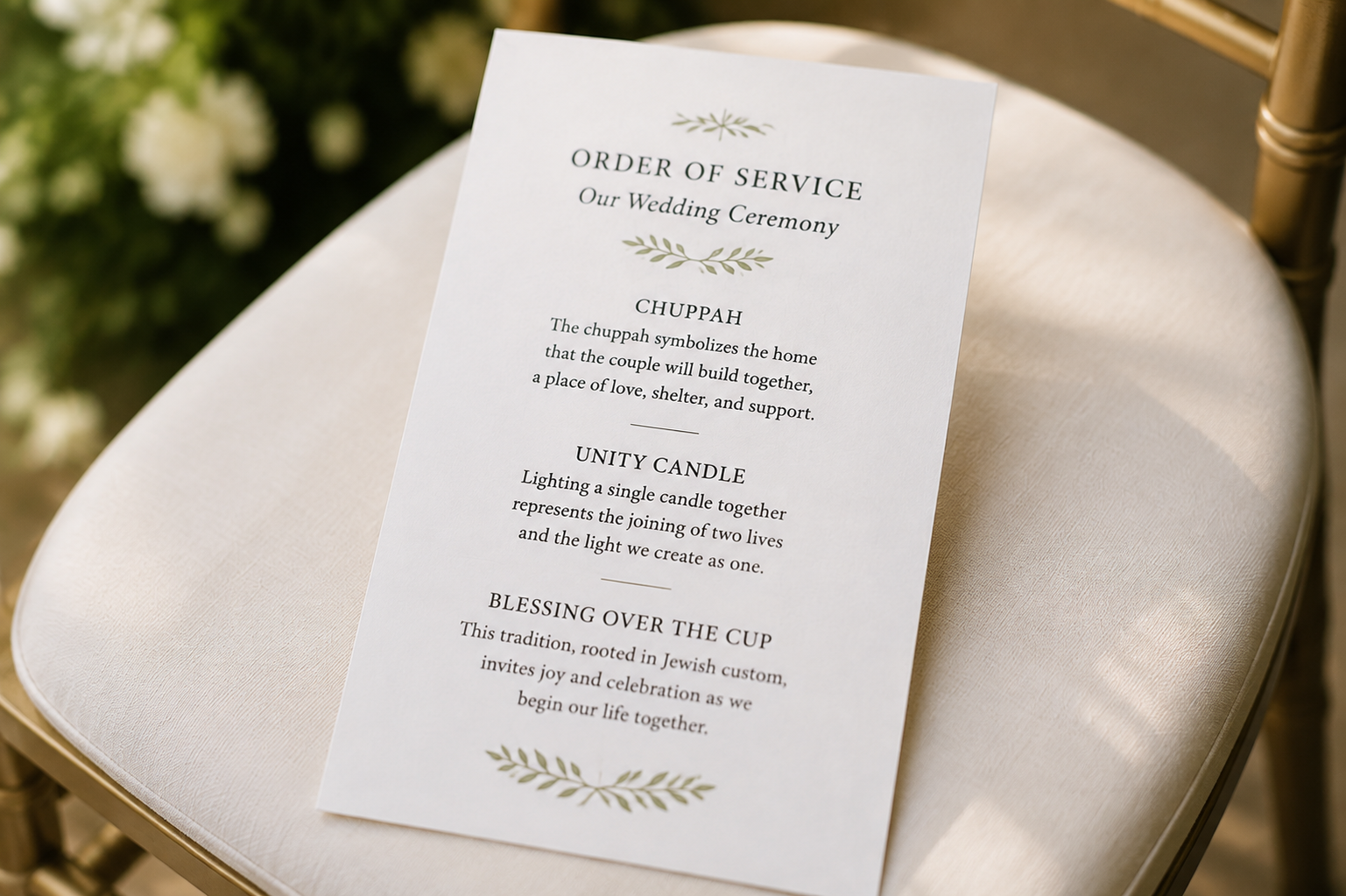
Many of your guests may be unfamiliar with the customs of your partner's faith. Use your ceremony program to explain the significance of specific symbols, words, or actions. You can also work with a Religious Officiant who knows how to explain traditions during the service, helping every guest feel included and engaged.
Choosing the Right Officiant for Your Ceremony
Work with a Co-Officiant Team or a Dual-Faith Professional
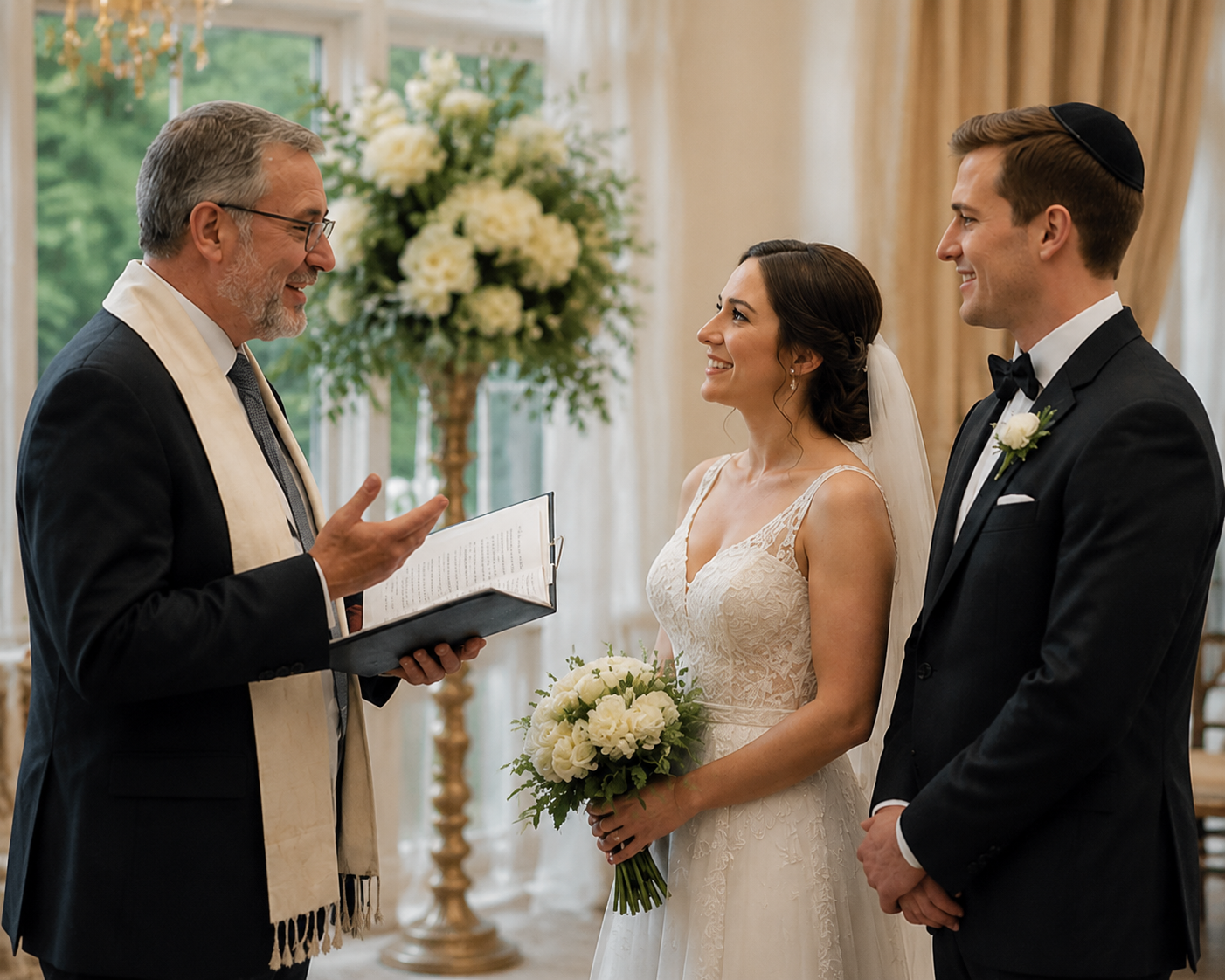
Some couples choose two leaders one from each faith tradition to co-officiate the ceremony. Others prefer working with a single professional who specializes in multi-faith ceremonies. Either way, ensure your leaders are comfortable sharing the platform and guiding a blended service.
Consider a Spiritual or Non-Denominational Approach
If you want a ceremony that honors both traditions without adhering strictly to traditional religious dogma, consider hiring a Spiritual Officiant. They can help craft custom vows, incorporate universal blessings, and craft a ceremony focused on your personal love story. Couples looking for a personalized service in nearby communities can also explore our Jewish Weddings in Berwyn, IL options to see how we blend custom elements for local celebrations.
Creative Ways to Combine Popular Wedding Rituals
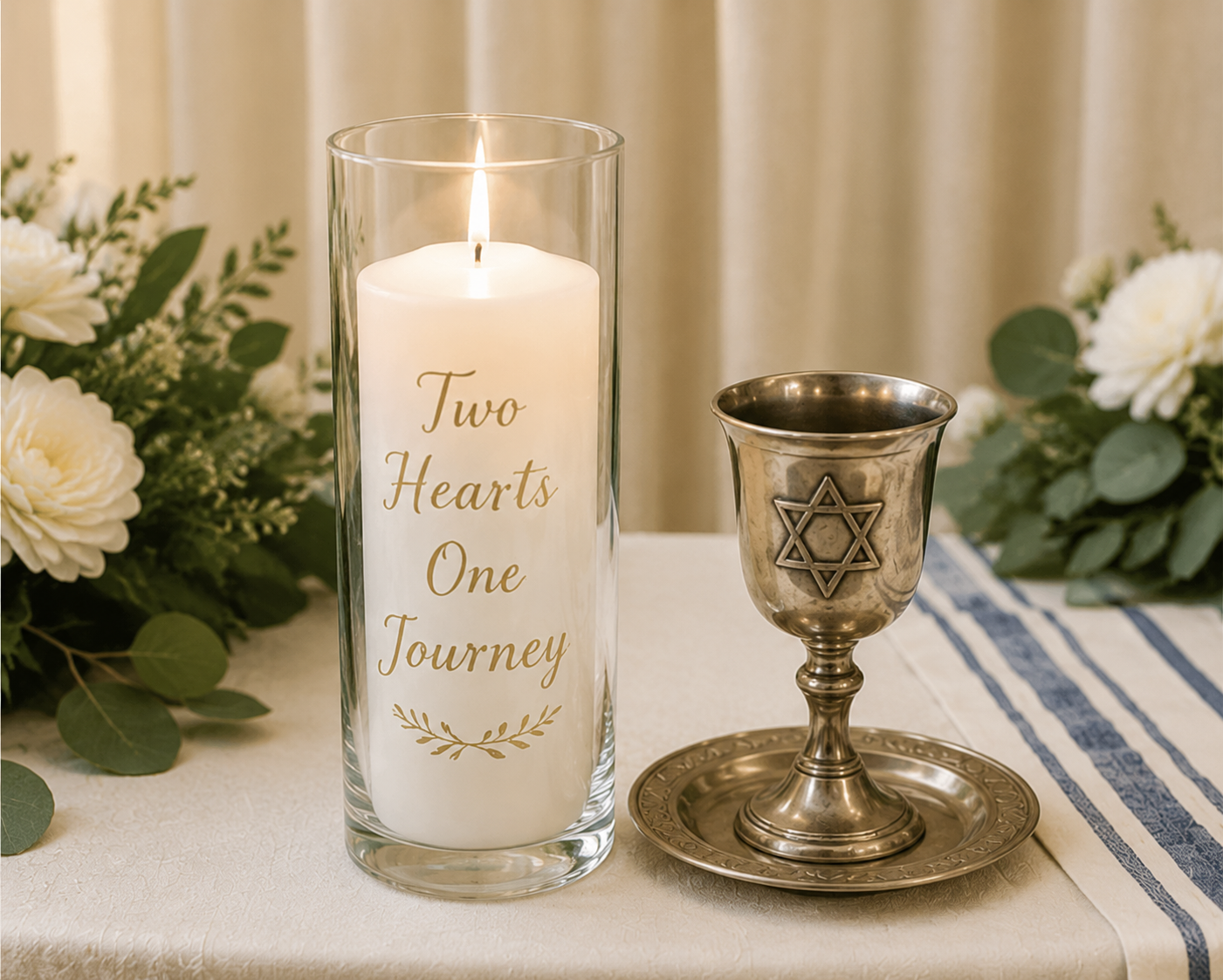
Light, Wine, and Shared Blessings
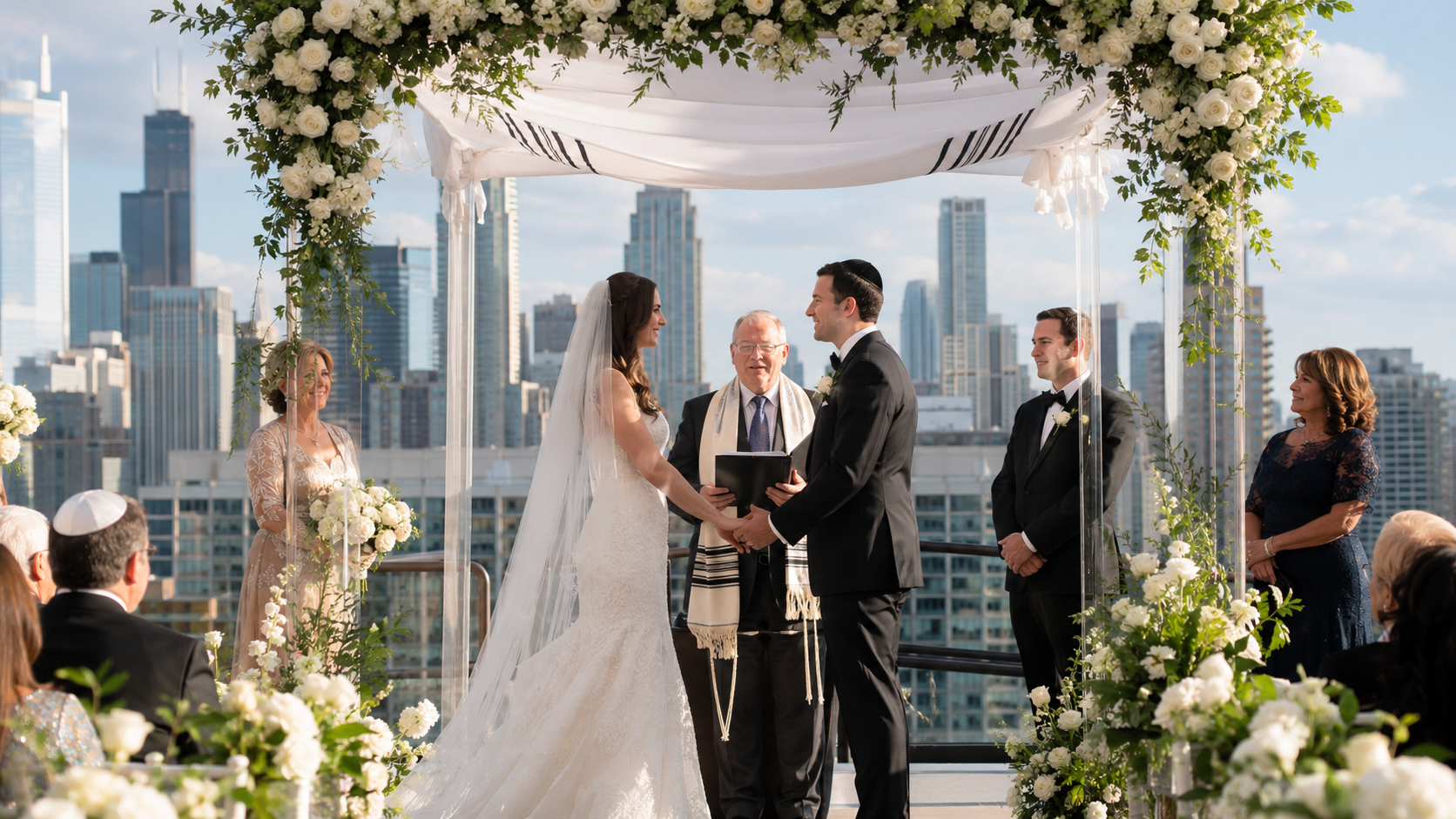
Many major world religions feature rituals involving light, wine, or solemn blessings. You can combine a unity candle ceremony with a traditional kiddush cup blessing, or perform a hand-fasting using ribbons that represent the colors of your respective heritages. These actions symbolize two distinct paths joining as one.
Multi-Language Elements and Music
Incorporate prayers, readings, or songs in the original languages of both faiths. Whether it is Hebrew, Latin, Sanskrit, or Spanish, hearing native words adds authenticity and depth to the service. If you are planning an event in Cook County, partnering with experts in Wedding Coordination in Cook County ensures all these technical timing details and sound cues are executed flawlessly.
Bringing Interfaith Celebrations to Evanston and Chicagoland
Evanston, IL is a vibrant, diverse community that warmly embraces multicultural and multi-faith couples. From scenic venues along Lake Michigan to historic spaces near Northwestern University, our city offers a welcoming backdrop for unique celebrations. Planning a ceremony here allows you to draw from a rich network of local vendors who understand the nuances of diverse traditions and can help bring your vision to life.
Request Ceremony Planning Assistance Today
Designing a blended ceremony should be a joyful experience, not a source of stress. At Lifecycle Events, we specialize in guiding couples through every step of crafting personalized, inclusive services. Call us today at 847-910-2397 or visit us online to request ceremony planning assistance for your special day.
Frequently Asked Questions
Can we have two officiants at our wedding?
Yes, co-officiating is a popular choice for multi-faith ceremonies. Both leaders work together to divide the readings, blessings, and vows, ensuring both traditions receive equal representation and respect throughout the service.
How long should an interfaith wedding ceremony last?
Most multi-faith ceremonies last between 30 and 45 minutes. This provides enough time to include meaningful rituals, readings, and explanations without making the service feel overly long for your guests.
How do we handle religious language in our vows?
You can customize your vows to use inclusive, neutral language, or you can include distinct phrases from each tradition. Your officiant can help you draft wording that feels authentic to your personal beliefs and respectful to your families.
Planning a wedding that honors two distinct worlds is one of the most meaningful ways to begin your marriage. By focusing on shared values, clear communication, and thoughtful symbolism, you can create a day that honors your past while celebrating your future. Reach out to Lifecycle Events today, and let us help you build a ceremony that tells your complete story.